
Commuting to Northeastern University
Northeastern University is located in the Fenway-Kenmore neighborhood of Boston, which is a popular area for students and faculty to live in due to its proximity to the campus and the many amenities in the area.
Public Transportation
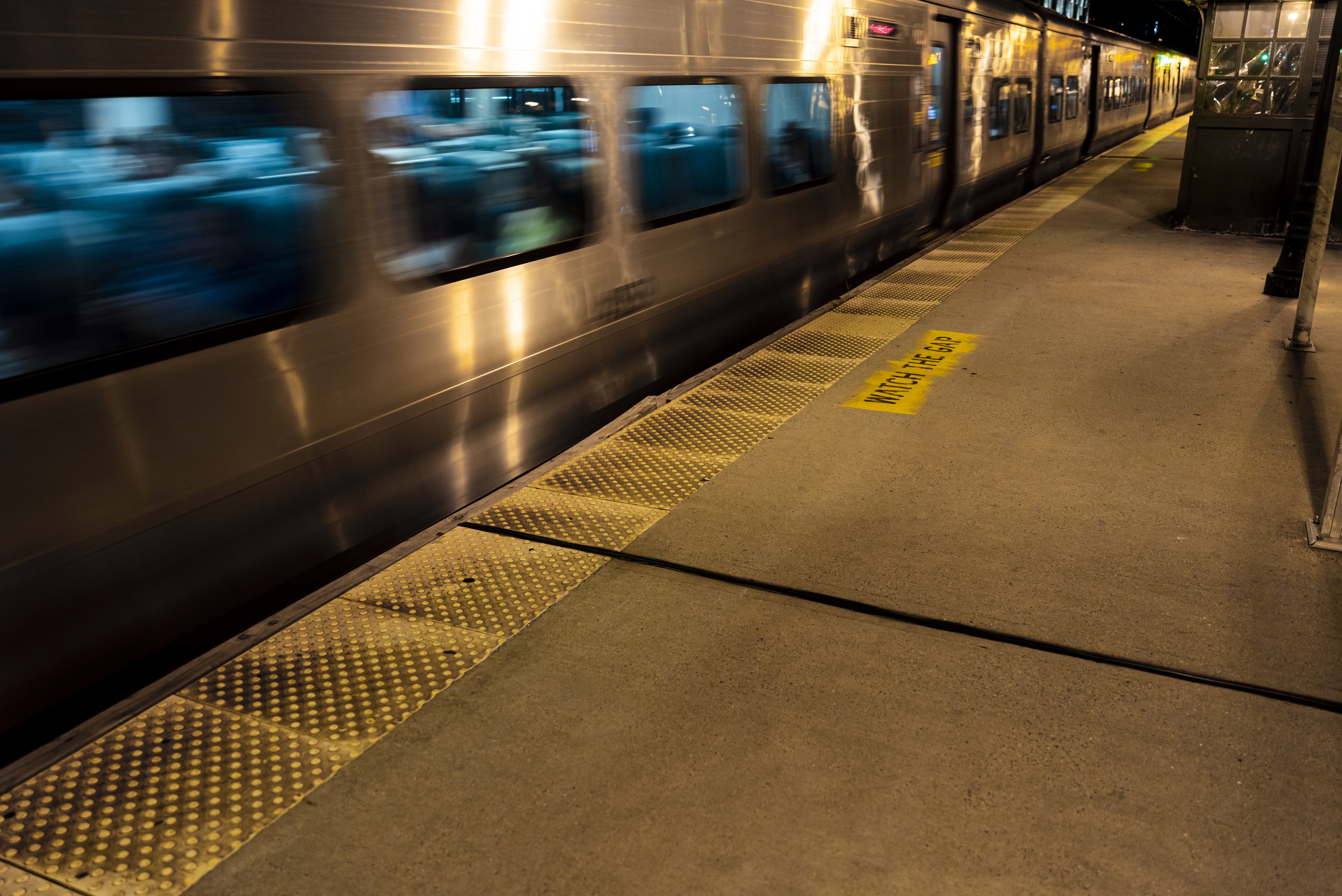
The Massachusetts Bay Transportation Authority (MBTA) operates subway, bus, and commuter rail services in the Boston area.
Northeastern University is served by several MBTA subway stations, including the Ruggles and Northeastern stops on the Orange Line and the Symphony stop on the Green Line.
The cost of a single ride on the subway is $2.40, but discounted fares are available with a CharlieCard or CharlieTicket. The MBTA also offers monthly passes and semester passes for students at discounted rates.
For instance, a monthly pass for unlimited subway and bus rides costs $90, and a semester pass costs $308.
Walking and Biking
Many students and faculty members choose to walk or bike to campus. The Fenway-Kenmore area is relatively bike-friendly, with several bike lanes and bike-sharing programs available.
Walking to campus is also convenient for those who live nearby. However, Boston weather can be unpredictable, and it's important to be prepared for rain, snow, or extreme temperatures.
Driving
Driving to Northeastern University is possible, but parking in the area can be challenging and expensive. Most students and faculty members choose to use public transportation or walk/bike to campus.
Commuting Options
In terms of ease of travel, public transportation is generally the most convenient and affordable option for commuting to Northeastern University.
The subway system is reliable and runs frequently, with trains arriving every few minutes during peak hours. Walking and biking are also convenient options for those who live nearby, although weather conditions in Boston can make these options less desirable at certain times of the year.
The time it takes to commute to Northeastern University varies depending on where you live and the mode of transportation you choose.
The subway ride from downtown Boston to the Northeastern stop takes around 10-15 minutes, while the walk from Fenway-Kenmore or Mission Hill takes around 15-20 minutes.
Biking can be faster or slower depending on traffic conditions, and driving can take longer due to traffic congestion and limited parking options.
In terms of risks, using public transportation in Boston is generally safe, although it's important to take precautions to avoid theft or other crimes.
Walking and biking can also be safe, but it's important to be aware of your surroundings and to follow basic safety guidelines. Boston weather can also be unpredictable, and it's important to be prepared for rain, snow, or extreme temperatures.
Costs for commuting to Northeastern University vary depending on the mode of transportation you choose.
A single ride on the subway costs $2.40, while a monthly pass for unlimited subway rides costs $90. Student discounts and semester passes are available at discounted rates.
Biking and walking are generally free, while driving can be expensive due to parking fees and the cost of gas.
Popular Student Areas
Fenway-Kenmore
This neighborhood is popular among Northeastern University students due to its proximity to campus and many restaurants, bars, and shops.
Mission Hill, Jamaica Plains
These neighborhoods are located to the west of Northeastern University and are popular among students due to their affordable housing options and proximity to campus.
Back Bay
This neighborhood is located just south of Northeastern University and is popular among graduate students and faculty due to its upscale housing options and proximity to many cultural institutions.
Allston-Brighton
This neighborhood is located just west of Boston University and is popular among Northeastern University students due to its affordable housing options and lively nightlife.